Plain answers
You will hear what suits your plot and what does not, in everyday words.
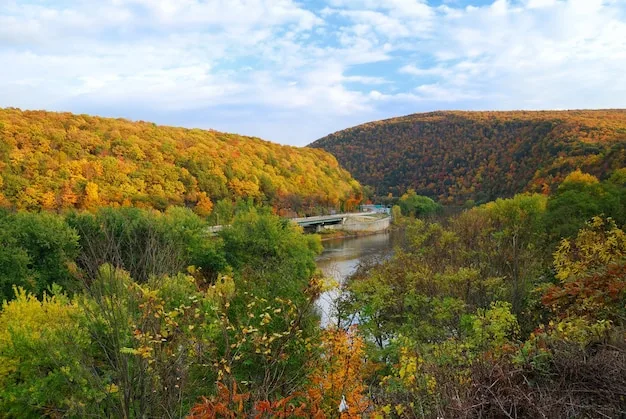
Our philosophy · October 2026
Our approach is simple to say and slow to carry out: look closely at the land, be honest about time, and leave the plot better than we found it.
Back to homePecan Riverbend began with a small observation: people in the Nagano countryside often own good land and a real wish to grow something lasting, but find little plain, local guidance on nut trees. We set out to fill that gap from a modest office in Toyama.
Three values keep us steady. We pay attention before we advise. We say what we know and what we do not. And we think of every planting as something a household will live beside for a long time.
We picture a country plot where rows of walnut or pecan trees grow in step with a planted riverbank, where the terrace sits comfortably above the water and where an owner has learned enough to look after it all. That is a gentle kind of transformation: no dramatic overhaul, just patient work that adds up.
Topsoil · loam · river gravel — beliefs
Pecans enjoy long, warm summers; walnuts cope better with cooler upland sites. A mismatched tree is one of the costliest mistakes in an orchard, so we hold this belief firmly.
That is why our planting session is hands-on. A good day leaves you able to plant the next tree alone.
Water rises and falls. We plan around observed high-water marks and flag where local permission may be needed.
Trees reward small, regular attention more than large occasional effort. We build advice around that rhythm.
Plots belong to people with different reasons: a retirement garden, a weekend cottage by the water, a family orchard for the grandchildren. We ask what you hope for before suggesting anything, and we adjust the depth of explanation to what you already know. First-time growers and experienced gardeners are equally welcome.
We value tested methods: grafted saplings, wide planting holes, stakes and guards. We try new ideas only when they solve a problem we have actually met, such as a native shrub and grass buffer that helps hold a riverbank. Change should have a reason.
Our prices are published. Our timelines are given as ranges because that is the truth: grafted walnuts typically bear in years 4–7, grafted pecans in years 6–10. If a plot is unsuited to what you hoped to grow, we will say so, even if that means a shorter conversation.
Good orchards are a shared effort between owner, arborist and neighbours along the river. We work alongside you, encourage you to talk to nearby landowners about the bank, and keep a phone line open after planting day for questions.
A tree planted this autumn may shade a terrace long after its planter has stopped counting years. We choose cultivars that suit the site for decades, space them for their mature size, and favour native plants along the bank. The legacy we like to imagine is simply a plot that is well loved and easy to hand on.
You will hear what suits your plot and what does not, in everyday words.
No deadlines are set for you. Start with a conversation and see how it feels.
You finish with notes, a sketch and the confidence to keep going.
Tell us about your land and what you hope it might become. We would be glad to hear it.
Start a conversation